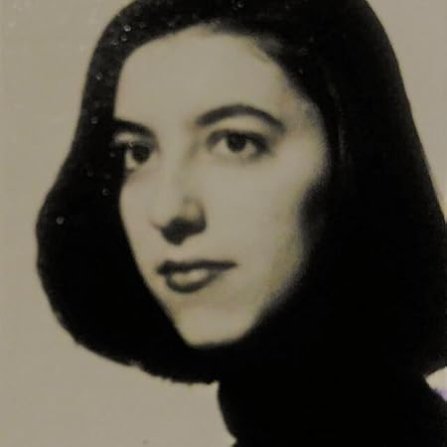

How not to feel anxious about unfair European (un)artistic practices? by Marisstella Octek (SL Čižmešija)
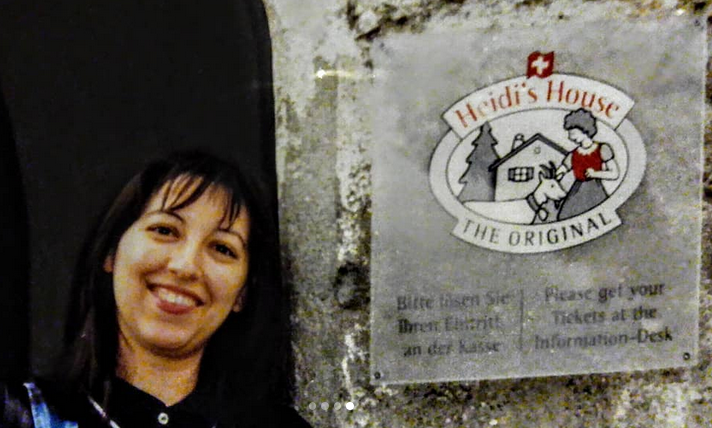
How not to feel anxious about unfair European (un)artistic practices? by Marisstella Octek (SL Čižmešija)
First thesis. Artists are sensitive, kind souls for whom the most important thing is original artistic expression through which they will convey the universal message of love and the nobility of humanism.
Second thesis. Artists are vain people who think that the world revolves around their vision or interpretation of the world and cannot stand criticism or any kind of dialogue, expecting only the admiration of others.
We see ourselves in the content of the first thesis, which elevates us above mediocrity, above arrogance and allows us to spread a benevolent influence on the optimal idyllic development of all social events.
The third thesis that I am discussing here refers to the claim that artistic creativity that someone would like to talk about does not exist.
In my long-standing artistic creativity, due to a series of circumstances, I had to patiently deal with my invisibility by others; those others who are our entire world and to whom we turn.
In the post-communist transitional “European” countries, there are dishonest “artistic” — in fact (un)artistic — practices that provide visibility and advancement exclusively to a narrow interest group of selected artists. I would be remiss (insincere) if I did not say that among them there are indeed artists of above-average exceptional quality.
If these interest groups assess that you could endanger them either with your respectable quality or with your argumentative critical stance (opinion) or if you were suspicious of the art business in which they are involved as a selected group without serious competition — then they declare you invisible.
My long-standing experience related to my scenarios that were broadcast on TV but later entered the books of other authors without prior verification by the Ministry of Culture, which “forgot” to verify the authorship of the texts.
We who are marked by invisibility will still see us published in a reputable literary journals, but we will never see those journals digitized: because a publicly readable version, especially if it is free (readable to everyone), would objectively show who (and why) has a well-deserved artistic status.
In order to avoid the feeling of rejection due to a deliberately played “social game” related to partial readability and the overall invisibility of the author, the following steps need to be taken.
1. Understand that the situation is permanent and not short-term.
2. Understand that they (the elected officials-artists who decide on the visibility or invisibility of artists) cannot be changed, that is, it is not possible to expect them to turn towards objectivity and solidarity.
3. Decide to independently publish books in your native language, preferably with foreign publishers, and if the aforementioned step does not yield results in terms of gaining a larger number of readers (better reception), then obligatory
4. Translate your works into foreign languages and publish them with foreign publishers.
There is always a solution. The key is patience, persistence in artistic authenticity and in the constant search for procedures that will keep the artist in the permanent artistic expression.
And to paraphrase the great Honoré de Balzac, keep in mind that their high society ball is beautiful, an aesthetic wonder, because everyone is visible and beautiful in it (except you), but if they ask you, say the same as Balzac’s character: the ball is truly beautiful but it lacks something crucial, which is why I will never describe it in my works of art, and that the key is — thought!
Be yourself, creative, thoughtful, cheerful… and good luck!
Translation from Croatian: Marisstella Octek
GDBK = CSBK 4.2.2025 A.D.
First published with the kind help of the BBB and the MEDIUM COM and the i word books international