
How a Simple Image Becomes a Strong Book Cover
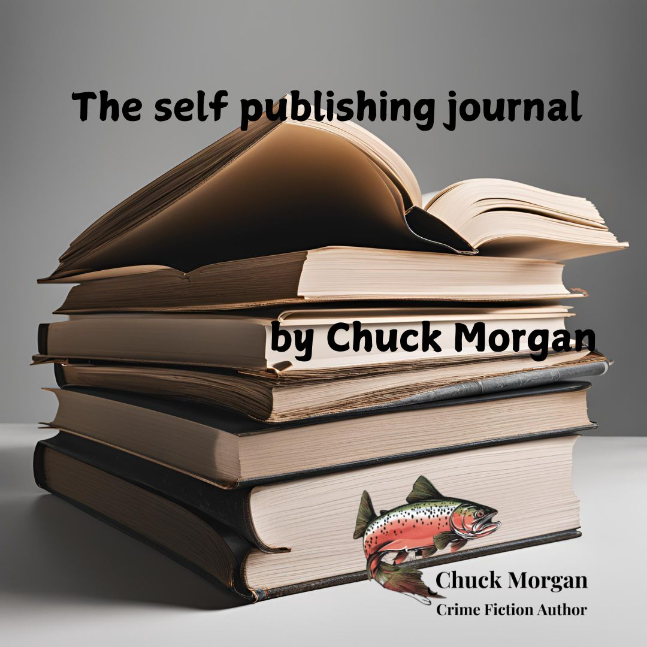
How a Simple Image Becomes a Strong Book Cover
Chuck Morgan, Crime Fiction Author
A good cover works because every part, composition, color, typography, and detail, pulls in the same direction. The goal is not to explain your plot but to suggest the experience the reader will have. A thriller should feel tense. A romance should feel warm. A fantasy should feel epic. Readers make these judgments in seconds, so clarity matters more than complexity.
Think of a cover as a billboard. It must be readable from afar, recognizable at thumbnail size, and emotionally accurate at full size. When you choose one powerful image, a simple color palette, and clear type, you give readers an immediate sense of what your book is about.
Telling a Story with One Picture
Before a reader opens your book, the cover is already shaping their expectations. You can guide that reaction with a few beginner-friendly principles:
• Choose one or two main things to look at. Too many objects create confusion.
• Use the rule of thirds. Place your primary object slightly off-center to create natural balance.
• Limit your colors. Two dominant colors and one accent color keep the mood focused.
These choices act like the first sentence of your story. A single rusty key on peeling wallpaper suggests secrets and inheritance. A lone figure on a rain-soaked street suggests danger, isolation, or movement. You don’t need to spell out the plot—just give readers the emotional doorway.
Choosing Your Focal Image: Symbol or Scene
Most covers rely on either a symbol or a scene, and each approach has strengths.
• Symbol covers use one object; a locket, a compass, a ring, a knife.
They’re bold, simple, and easy to recognize even at thumbnail size. Symbols work well when your story has a central object or theme.
• Scene covers show a place; a train platform, a kitchen, a forest, a street.
They give readers a sense of setting and atmosphere. Scenes work well when the world of your story is a major draw.
Whichever you choose, keep 20–30% of the cover empty so your title has room to breathe. And stick to one or two focal points so the design stays clear when reduced to a small image online.
Using Small Details to Suggest Plot and Character
Tiny, well-chosen details can hint at backstory, conflict, or stakes with no text. These “micro-clues” reward readers who look closer:
• A smudged passport suggests travel, identity, or escape.
• A burned sleeve hints at danger or violence.
• A wedding ring tucked in a pocket suggests betrayal or secrecy.
• A rotary phone signals a specific time period.
Use only three to five of these details. Too many will clutter the design. Arrange them so that the biggest shape still reads clearly at thumbnail size. Shrink your cover to 25–30% or view it on your phone to make sure the primary image still pops.
Guiding the Reader’s Eye with Composition
Readers scan covers in predictable patterns, usually a quick Z or F shape starting at the top. You can use this to your advantage:
• Place your title or primary image near a third-line intersection.
• Use one strong focal point to anchor the design.
• Keep a simple hierarchy: title first, image second, author name third.
This structure helps your cover stay readable at any size. Even at 60–120 pixels wide, the title should be clear and the primary image recognizable.
Color and Texture That Set the Mood
Color is emotional shorthand. You can signal genre and tone instantly with the right palette:
• Dark blues and teals feel serious, moody, or literary.
• Bright reds or neon greens feel urgent, dangerous, or futuristic.
• Soft pastels feel romantic, gentle, or youthful.
Limit yourself to three primary colors. Make sure the title contrasts strongly with the background so it’s readable in thumbnails.
Texture also plays a role:
• Soft-touch matte feels intimate and warm. Good for memoirs or emotional fiction.
• Gloss or spot UV adds shine and drama. Great for thrillers.
• Foil stamping adds a premium or historical feel.
You don’t need to memorize technical specs. Just match the finish to the emotional tone of your story.
Typography as the Book’s Voice
Fonts carry personality just like characters do. Choosing the right one helps readers understand your book’s tone:
• Serif fonts feel classic, literary, or historical.
• Slab serifs feel gritty and strong—great for crime or Westerns.
• Geometric sans-serifs feel modern and clean.
• Script fonts feel romantic or personal.
Pick one main font and one supporting font. Make sure the title is large enough to read at thumbnail size. Use spacing, scale, and color to make the typography feel like part of the image, not just a label stuck on top.
Placing the Title for Maximum Impact
Your title should feel integrated with the art. You can:
• Center it for bold, simple impact.
• Align it with a strong line in the image.
• Overlap it slightly with the primary object to create depth.
Aim for the title to take up 10–25% of the cover height. This keeps it readable without overwhelming the art. Remember that the spine also matters. Its width changes with page count, so your type must adapt.
Matching Your Cover to Your Genre and Market
Readers rely on visual cues to know what kind of book they’re looking at. Each genre has its own “language”:
• Romance uses soft colors, warm lighting, and faces.
• Thrillers use dark backgrounds, sharp type, and motion.
• Fantasy uses symbols, landscapes, and ornate type.
• Crime often uses bold type, gritty textures, and high contrast.
If you’re writing a series, keep your covers consistent:
• Use the same font family.
• Keep a similar color palette.
• Repeat a visual motif on each cover.
This helps readers recognize your books instantly on a shelf or online.
Making Sure Your Cover Works Everywhere
A cover must succeed in two places:
• On a physical shelf, where readers see it from several feet away.
• As a tiny thumbnail, where readers see it at 60–120 pixels wide.
To test your design:
• Shrink it to phone size.
• Make sure the title is still readable.
• Make sure the primary image is still recognizable.
• Remove unnecessary textures. They disappear at small sizes, anyway.
Simple designs almost always perform better.
Basic Print and Digital Requirements
You don’t need to be a production expert, but a few basics help:
• Paperbacks need extra space around the edges (bleed).
• Hardcovers need room for flaps.
• Digital covers look best at a 1.6:1 ratio (tall and narrow).
• Print uses CMYK, screens use RGB, so colors may shift slightly.
These are normal parts of the process, and most design tools handle them automatically once you know what to look for.
Bringing It All Together
A great book cover isn’t about fancy effects or complicated art. It’s about clarity, emotion, and storytelling. When you combine:
• One strong focal image
• A simple, balanced composition
• A limited color palette
• Clear, expressive typography
• A few meaningful details
• Genre-appropriate cues
…you create a cover that feels professional, communicates instantly, and invites readers into your story.
Covers are promises. When yours is clear and emotionally accurate, readers know exactly what kind of journey you’re offering, and they’re far more likely to pick up the book.